Soy Protein
By 2034, consumer interest in plant-based proteins is predicted to grow to a $42.55 billion market, up from $18.64 billion in 2024. Sustainability remains a top concern for shoppers, with 40% of consumers increasing their plant-protein consumption for environmental reasons.
U.S. grown soy protein lays at the forefront of food innovation as a nutritional powerhouse and sustainable solution, aligned with consumer interests. The versatile range of soy protein ingredients caters to the growing demand for healthy, planet-friendly options, helping you stay competitive in today’s market. Companies can also depend on U.S. Soy’s domestic supply chain to provide high quality products at an affordable price point.
Nutrition
Consumers continue to prioritize their health when shopping. In fact, getting enough protein, vitamins, minerals and healthy fats are top priorities for over 70% of consumers.
A cholesterol-free source of protein, U.S. grown soy is deemed a complete protein, containing all nine essential amino acids necessary for human nutrition. U.S. soy protein is unique among commercially available plant proteins as the only plant protein that carries the Food & Drug Administration’s heart health claim.


Sustainability
U.S. soy is a sustainable protein ingredient with a low carbon, land use and energy footprint. Food companies can leverage soy’s health and sustainability halo to drive sales by sourcing U.S. grown soy protein for their products.A cholesterol-free source of protein, U.S. grown soy is deemed a complete protein, containing all nine essential amino acids necessary for human nutrition. U.S. soy protein is unique among commercially available plant proteins as the only plant protein that carries the Food & Drug Administration’s heart health claim.
Learn more about U.S. Soy’s commitment
to sustainable farming practices.

SOY PROTEIN VERSATILITY AND APPLICATIONS
Soy-based ingredients are versatile and can be used in a variety of recipes and formulations to provide important functional and nutritional benefits. Soy protein ingredients can bind moisture, enhance texture and eating quality, boost protein content and add important health benefits to a wide variety of food and beverage applications.
Soy Protein Applications
 Ready-to-Drink Protein Beverages |  Dairy Alternatives |  Protein Powders |
 Baking Products |  Nutrition Bars |  Meat Alternatives |
 Nut Butters |  Soups & Pastas |  Frozen Desserts |
 Infant Formulas |  Breakfast Cereals |  Processed Meat |
Common Soy Protein Ingredients
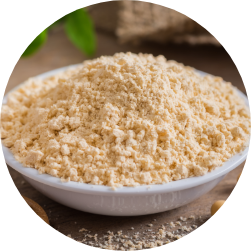
Defatted Soy Flour is a versatile ingredient that is 50% protein, offering a good source of protein and calcium while being gluten-free. Used in various products such as baked goods, cereals, snack foods, sauces and gravies, it aligns with the growing demand for healthy and sustainable options in the market.
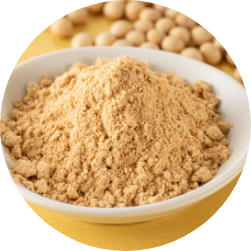
Soy Protein Isolate is a 90% protein ingredient, that is valued for its high protein content, bland flavor and excellent functionality. It is used extensively in high protein foods, such as nutritional bars, beverages, cereals and shakes, as well as processed meat and meat-free applications. Its benefits address the increasing need for protein-rich, functional foods in the market.

Soy Protein Concentrate is minimum 65% protein and is a go-to protein source for plant-based meat alternatives and processed meat. Available in powdered and textured formats, it delivers a meat-like texture and important functional benefits that improve the quality and eating experience of these products.
Explore more soy protein ingredients and their food applications
with U.S. Soy’s Ingredient Index.
Soy Availability & Supply
Over the past 40 years, U.S. soybean production has more than doubled with fewer acres available for farmland. U.S. soybean yields are predicted to continue growing by more than half a bushel per acre per year. That half a bushel per acre is roughly the equivalent of 30 pounds of soybeans, which provides almost 24 pounds of meal and almost six pounds of oil.
U.S. Soy’s robust, domestic supply means that food companies can rely on ingredients to be sustainably produced and reliably available to meet consumer demand.